
Most people clean their homes regularly, but that doesn’t necessarily mean they’re cleaning effectively. Sometimes, small mistakes in the products we use, the order we clean in, or the techniques we follow can make cleaning harder than it needs to be.
For example, using too much cleaning solution can leave behind residue, while using the wrong product on a delicate surface can cause permanent damage. Other mistakes, such as forgetting frequently touched areas or neglecting cleaning tools, can leave dirt and germs behind even after you’ve finished cleaning.
The good news? Most of these mistakes are easy to correct.
Here are 10 common cleaning mistakes homeowners make and how to avoid them, with practical tips to help you get better results without wasting time or damaging your home.

When it comes to cleaning, more isn’t always better. Using too much spray, soap, or detergent can leave behind a sticky residue that attracts dust and dirt.
For example, excessive floor cleaner can create a film that makes floors look dull or feel sticky shortly after cleaning.
How to avoid it:
Follow the dilution instructions on the product label.
Use only the recommended amount of detergent or cleaning solution.
Avoid applying multiple layers of cleaner to the same surface.
If residue builds up, use an appropriate method to remove it without damaging the material.
Professional tip: If your floors seem to get dirty again unusually quickly, leftover cleaning product may be part of the problem.
One of the most dangerous cleaning mistakes is assuming that combining two products will make them more effective.
In reality, certain combinations can produce toxic gases and create serious health risks.
For example:
Bleach + vinegar: Can release toxic chlorine gas.
Bleach + ammonia: Can produce dangerous chloramine gases.
Bleach + other acidic cleaners: Can release harmful chlorine gas.
How to avoid it:
Never mix cleaning products unless the manufacturer specifically says they are compatible.
Read product labels before using a new cleaner.
Use one appropriate product at a time.
Follow label instructions before switching products.
If you accidentally mix products and notice strong fumes, leave the area immediately and get fresh air. Do not attempt to neutralize the mixture with another chemical.
Have you ever cleaned your windows or mirrors only to notice streaks appearing as soon as you’re finished?
One possible reason is direct sunlight. When glass is hot, cleaning solutions can evaporate too quickly, leaving visible marks behind.
How to avoid it:
Clean windows early in the morning or later in the afternoon.
Avoid cleaning glass when the surface is hot.
Use a clean microfiber cloth or an appropriate glass-cleaning tool.
Work in small sections instead of spraying the entire window at once.
The result: More time cleaning and less time going back to remove streaks.
Your cleaning tools are supposed to remove dirt, not spread it around.
However, dirty sponges, mop heads, microfiber cloths, and vacuum filters can reduce cleaning effectiveness and transfer unwanted dirt between surfaces.
For example, using the same dirty cloth in the bathroom and kitchen can contribute to cross-contamination.
How to avoid it:
Wash microfiber cloths after use according to their care instructions.
Rinse and properly dry reusable sponges.
Wash mop heads regularly.
Empty vacuum containers and clean or replace filters according to the manufacturer’s instructions.
Replace cleaning tools when they become worn, damaged, or difficult to clean.
Keeping your tools clean is just as important as cleaning the surfaces in your home.
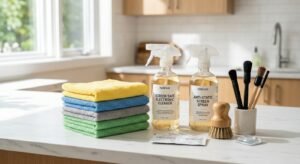
Spraying cleaning solution directly onto TVs, computer monitors, and other electronics can allow moisture to enter openings and potentially damage sensitive components.
The same approach can also cause problems with delicate finishes and surfaces that require specific cleaning products.
How to avoid it:
Turn off and unplug electronics before cleaning when appropriate.
Apply an approved cleaning solution to a microfiber cloth rather than directly onto the device.
Use a dry or slightly damp cloth, following the manufacturer’s instructions.
Never use abrasive sponges or harsh chemicals on delicate screens.
Remember: Not every surface can be cleaned with the same product. Always check the manufacturer’s recommendations before applying a cleaning solution.
Many homeowners spend plenty of time cleaning floors, countertops, and bathrooms but forget the smaller surfaces they touch throughout the day.
These frequently touched areas can accumulate dirt and germs, especially in busy households.
Some commonly overlooked spots include:
Doorknobs and door handles.
Light switches.
Remote controls.
Cabinet and refrigerator handles.
Faucet handles.
Appliance buttons.
Stair railings.
How to avoid it:
Include these areas in your regular cleaning routine. Clean them with an appropriate product, and when disinfection is needed, use an EPA-registered disinfectant according to its label instructions.
A clean-looking home should also include the small surfaces people interact with every day.
Not every cleaning tool is suitable for every surface.
Using a rough sponge on stainless steel, for example, can cause scratches. Paper towels may leave lint behind on glass, while a dirty microfiber cloth can spread dust instead of collecting it.
How to avoid it:
Choose your cleaning materials based on the surface:
| Surface | Recommended Cleaning Material |
|---|---|
| Glass and mirrors | Clean microfiber cloth |
| Stainless steel | Soft microfiber cloth |
| Kitchen countertops | Non-abrasive cloth or sponge |
| Bathroom surfaces | Appropriate microfiber cloth or sponge |
| Delicate finishes | Manufacturer-approved cleaning material |
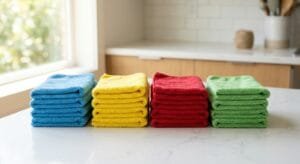
Another helpful practice is to use separate cloths for different rooms.
For example:
Blue cloths for general areas.
Yellow cloths for kitchen surfaces.
Red cloths for bathroom cleaning.
The exact colors don’t matter as much as keeping them separate and washing them properly.
Just because you can’t see dirt doesn’t mean it isn’t there.
Dust, crumbs, and pet hair often accumulate underneath beds, sofas, cabinets, and other furniture. Over time, this buildup can contribute to unpleasant odors and make your home feel less fresh.
How to avoid it:
Vacuum underneath sofas and beds regularly.
Move lightweight furniture when cleaning.
Use vacuum attachments to reach tight spaces.
Clean behind accessible appliances and furniture.
Pay extra attention to areas where pets spend time.
You don’t necessarily need to move every piece of furniture during every cleaning session. However, these hidden areas should be included in your deeper cleaning routine.
One common misconception is that spraying a disinfectant and immediately wiping it away is enough to eliminate germs.
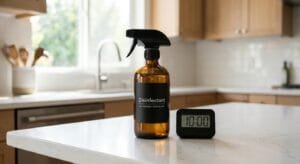
However, disinfectants need to remain on a surface for a specific amount of time to work effectively. This is called the contact time or dwell time.
Some products require a few minutes, while others require longer. The correct time depends on the specific product and its label instructions.
How to avoid it:
Read the disinfectant label before use.
Check the required contact time.
Keep the surface visibly wet for the entire required period if the label specifies this.
Follow instructions about whether the surface needs to be rinsed afterward.
Important: Cleaning and disinfecting are not the same thing. Cleaning removes dirt and debris, while disinfecting uses approved products to kill germs on surfaces when used correctly.
Regular household cleaning is important, but some situations require more time, equipment, and experience than a typical cleaning routine can provide.
Over time, grease, soap scum, hard-water deposits, and accumulated dirt can become difficult to remove with everyday cleaning products.
Trying to remove stubborn buildup with the wrong product or an abrasive tool can also damage certain surfaces.
When should you consider professional cleaning?
When your home needs a more thorough cleaning than your regular routine provides.
When dirt and buildup have accumulated in difficult-to-reach areas.
When you’re preparing for guests or a special occasion.
When you’re moving into or out of a home.
When you simply don’t have the time to maintain everything yourself.
At Excellence Maids, our licensed, vetted cleaners use professional-grade tools and products to help homeowners maintain cleaner, more comfortable living spaces.
Whether you need a one-time deep cleaning or ongoing home cleaning services, we help take the work off your hands.
Ready to enjoy a cleaner home without doing everything yourself? Get a free quote today.
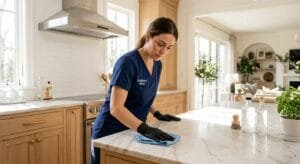
You don’t need an entirely new cleaning routine to get better results. Start by following these simple habits:
Small changes in your cleaning habits can make a noticeable difference in how clean your home looks and feels.
Learn more about the difference between cleaning, sanitizing, and disinfecting, and how to use household cleaning products safely from the U.S. Environmental Protection Agency (EPA).