
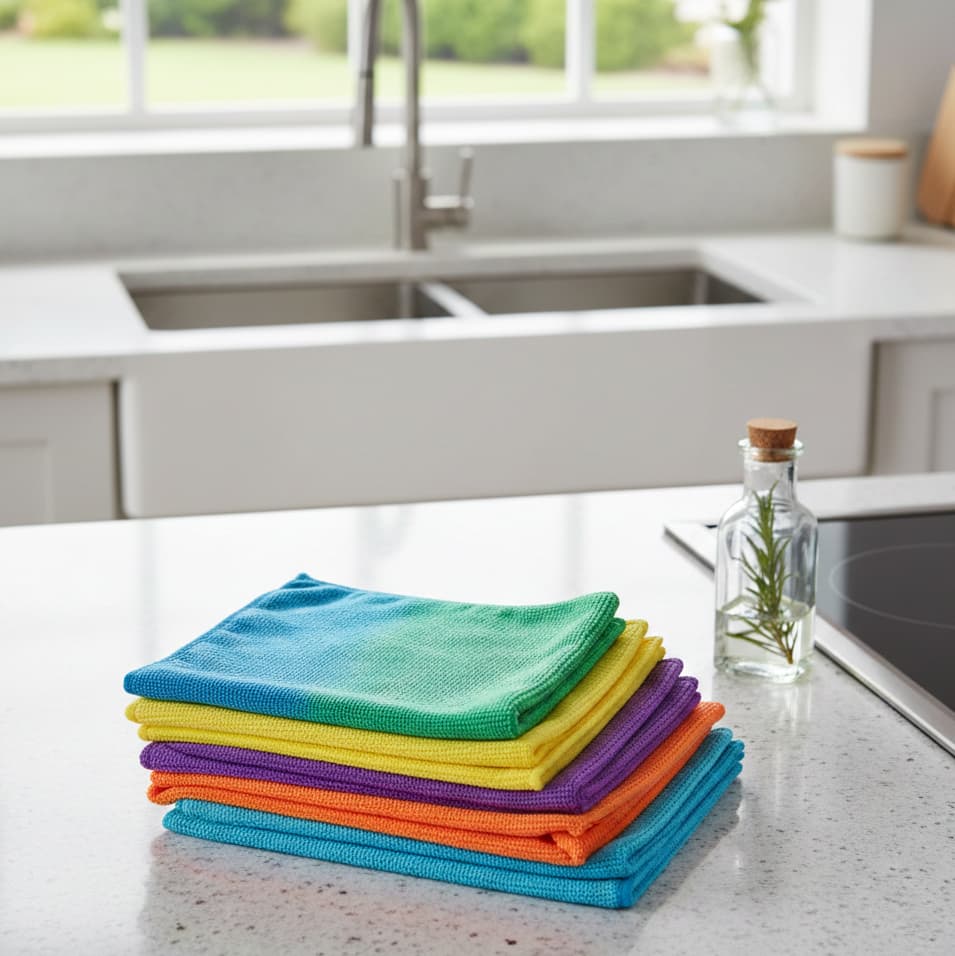
Microfiber cleaning has revolutionized the way homeowners maintain spotless homes. From streak-free mirrors to dust-free furniture, the right microfiber cleaning cloths make every chore faster, easier, and more effective. In this guide, we’ll show you professional techniques, insider tips, and expert tricks to maximize the power of microfiber in your home.
Microfiber cleaning is not just another trend—it’s a scientifically designed solution that traps dirt, dust, and bacteria better than traditional cleaning materials. With millions of tiny fibers woven into each cloth, microfiber cleaning cloths lift particles instead of just pushing them around.
Superior dirt and dust removal: Microfibers reach into crevices and grooves that traditional cloths miss.
Eco-friendly and cost-effective: Use less water and cleaning solution, saving money and the environment.
Durable and long-lasting: High-quality microfiber cloths can withstand hundreds of washes.
Hygienic cleaning: Many microfibers can remove up to 99% of bacteria without harsh chemicals.
For homeowners interested in maintaining a sparkling environment with minimal effort, incorporating microfiber cleaning into your routine is a must. Check out our recurring home cleaning services for professional support.
For more on why microfiber outperforms traditional cloths, you can read Home Depot’s breakdown of microfiber cleaning benefits.
Not all microfiber cloths are created equal. Understanding the differences helps you get the best results.
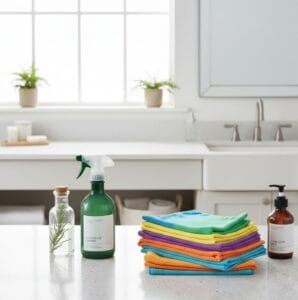
Terry microfiber: Thick and absorbent, ideal for mopping up spills and wiping counters.
Flat weave microfiber: Perfect for dusting delicate surfaces and electronics.
Waffle weave microfiber: Excellent for polishing and streak-free finishes on glass and mirrors.
Consider the surface type: Wood, glass, stainless steel, or tile.
Look for high GSM (grams per square meter) for heavy-duty cleaning.
Choose color-coded cloths to avoid cross-contamination between kitchens and bathrooms.
Learn more about our professional house cleaning services to see how we use microfiber to achieve sparkling results every visit.
Using microfiber cloths properly maximizes their effectiveness.

Dry dusting first: Use a dry microfiber cloth to capture loose dust on surfaces.
Damp wipe next: Slightly dampen the cloth with water or a mild cleaner to remove grime.
One direction only: Avoid circular motions for streak-free surfaces.
Spray cleaner lightly on the surface.
Wipe with a dry microfiber cloth in a zig-zag motion.
Flip the cloth frequently to use clean areas.
For counters, sinks, and faucets, use a damp microfiber cloth to remove stains and prevent water spots.
For high-touch areas like light switches and doorknobs, microfiber traps bacteria without harsh chemicals.
For professional results, see our deep cleaning services.
To prolong the life of your microfiber cloths and maintain optimal cleaning efficiency:
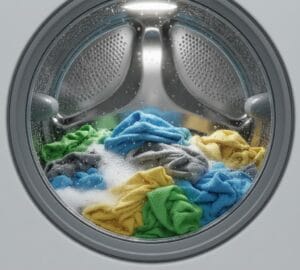
Wash separately from cotton fabrics to prevent lint accumulation.
Use mild detergent without bleach or fabric softener.
Avoid high heat—air-dry or tumble dry on low.
Keep cloths in a dry, clean container to avoid contamination.
Fold or roll to maintain the fibers’ structure.
Following these steps ensures your microfiber cleaning cloths stay effective for years.
Even seasoned homeowners make mistakes that reduce effectiveness:
Using fabric softener: Coats fibers and reduces dirt absorption.
Washing with lint-heavy fabrics: Causes fibers to pick up debris instead of dirt.
Over-wetting the cloth: Microfibers work best slightly damp, not dripping.
Avoiding these pitfalls guarantees that your microfiber cleaning efforts pay off every time.
While microfiber cleaning is excellent for regular maintenance, professional house cleaners take it to the next level.

Our vetted team at Excellence Maids brings expertise, efficiency, and attention to detail that ensures your home sparkles like never before.
Ready to experience expert microfiber cleaning in your home? Schedule a professional house cleaning today and see the difference for yourself.
Conclusion & Takeaways
Microfiber cleaning is highly effective, eco-friendly, and hygienic.
Select the right cloths for specific surfaces and tasks.
Use proper techniques to maximize streak-free results.
Maintain and care for your cloths to extend longevity.
Consider professional cleaning for deep and detailed results.